Turning a Novel Study Into a Mock Trial: Teaching Reading, Evidence, and Critical Thinking Through Play
The Problem With Traditional Novel Studies
So many novel studies focus on:
- Worksheets
- Isolated comprehension questions
- One-and-done discussions
But real readers reread.
They argue.
They defend ideas with evidence.
That's precisely what a mock trial allows students to do.
Why Mock Trials Work for ELA
Mock trials naturally embed:
- Close reading
- Evidence collection
- Argument writing
- Speaking & listening
- Collaboration
Students aren't just answering questions — they're using the text for a purpose.
How We Did It
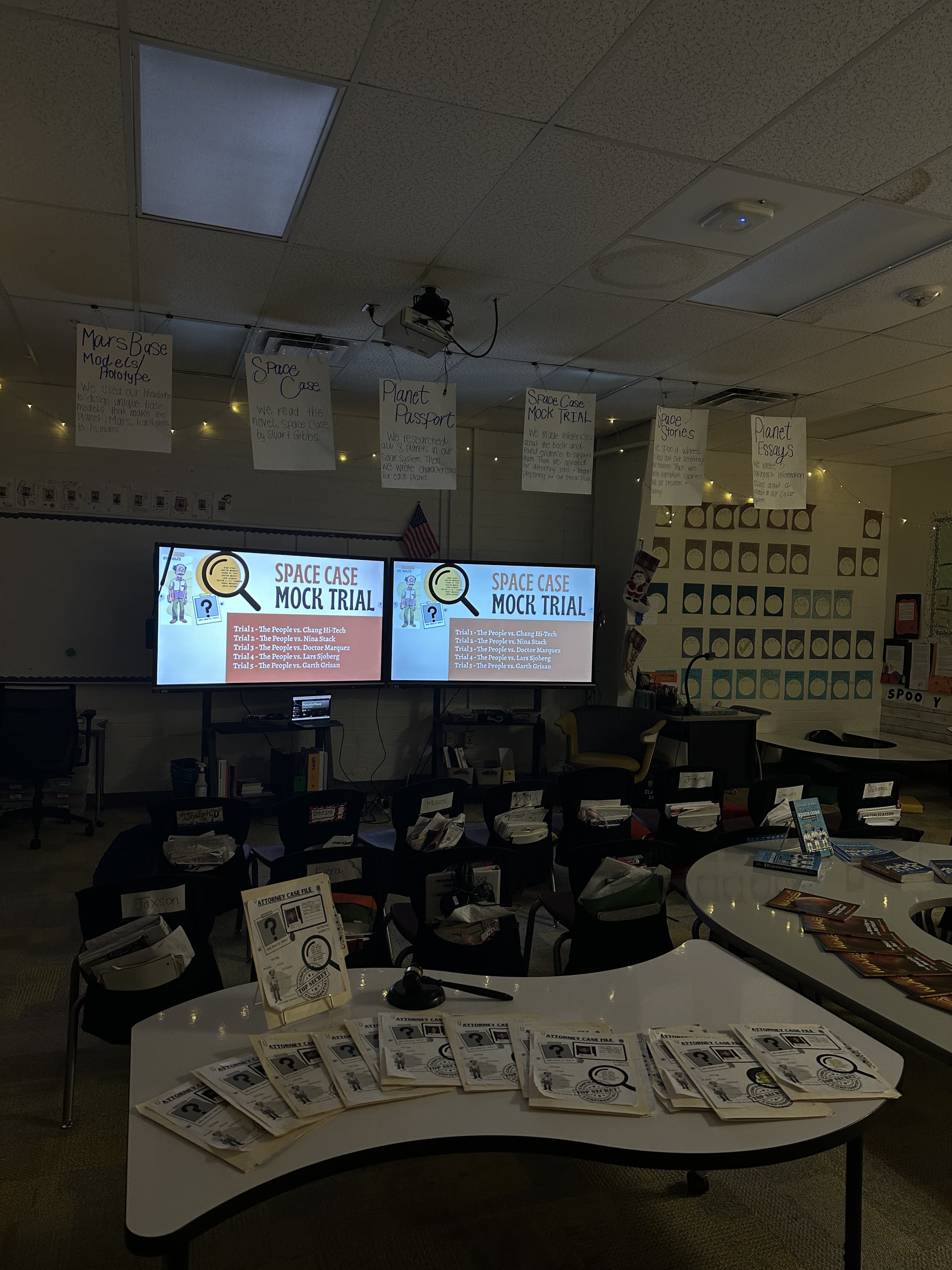
After reading Space Case, students:
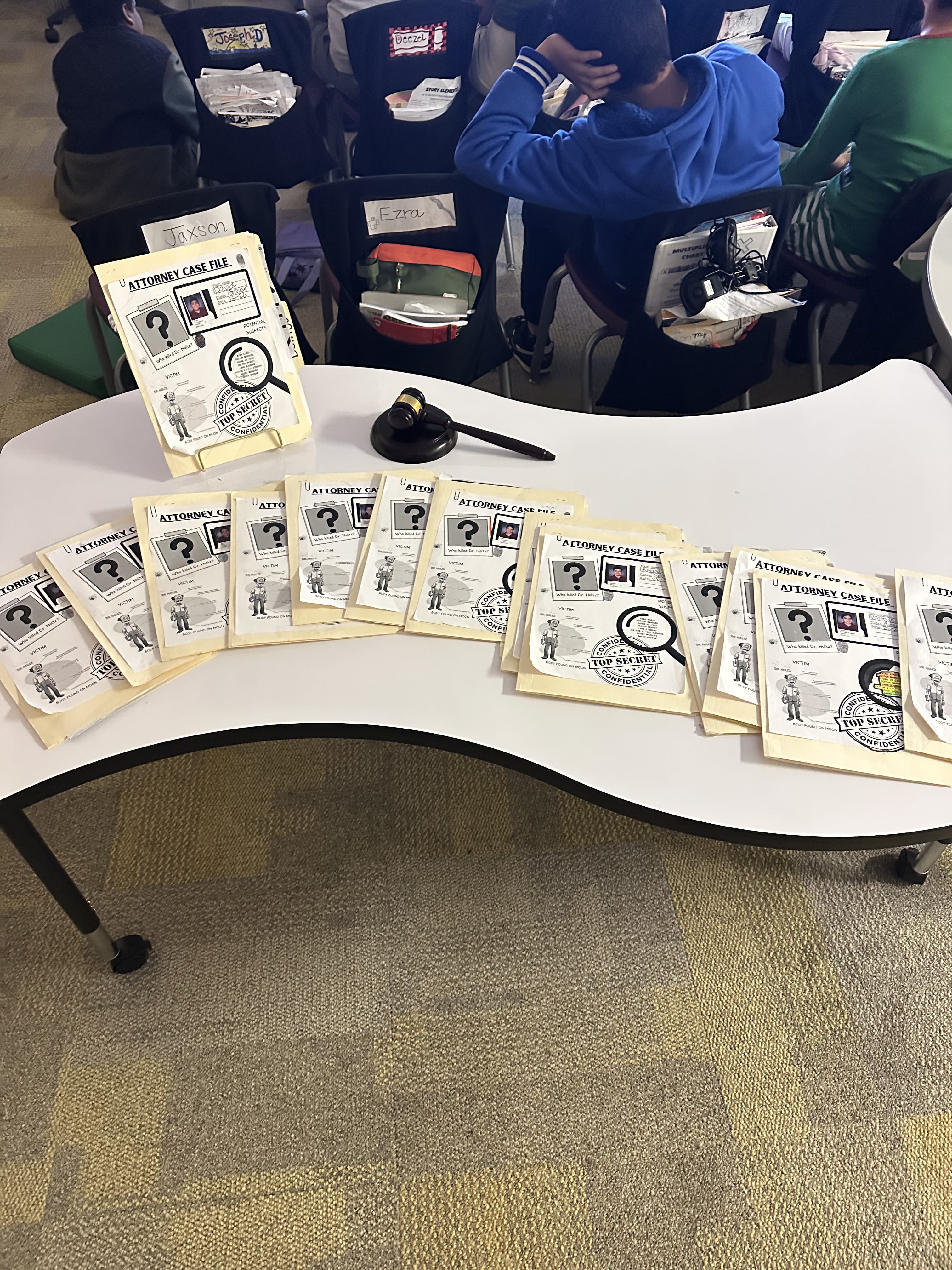
- Identified suspects
- Tracked textual evidence
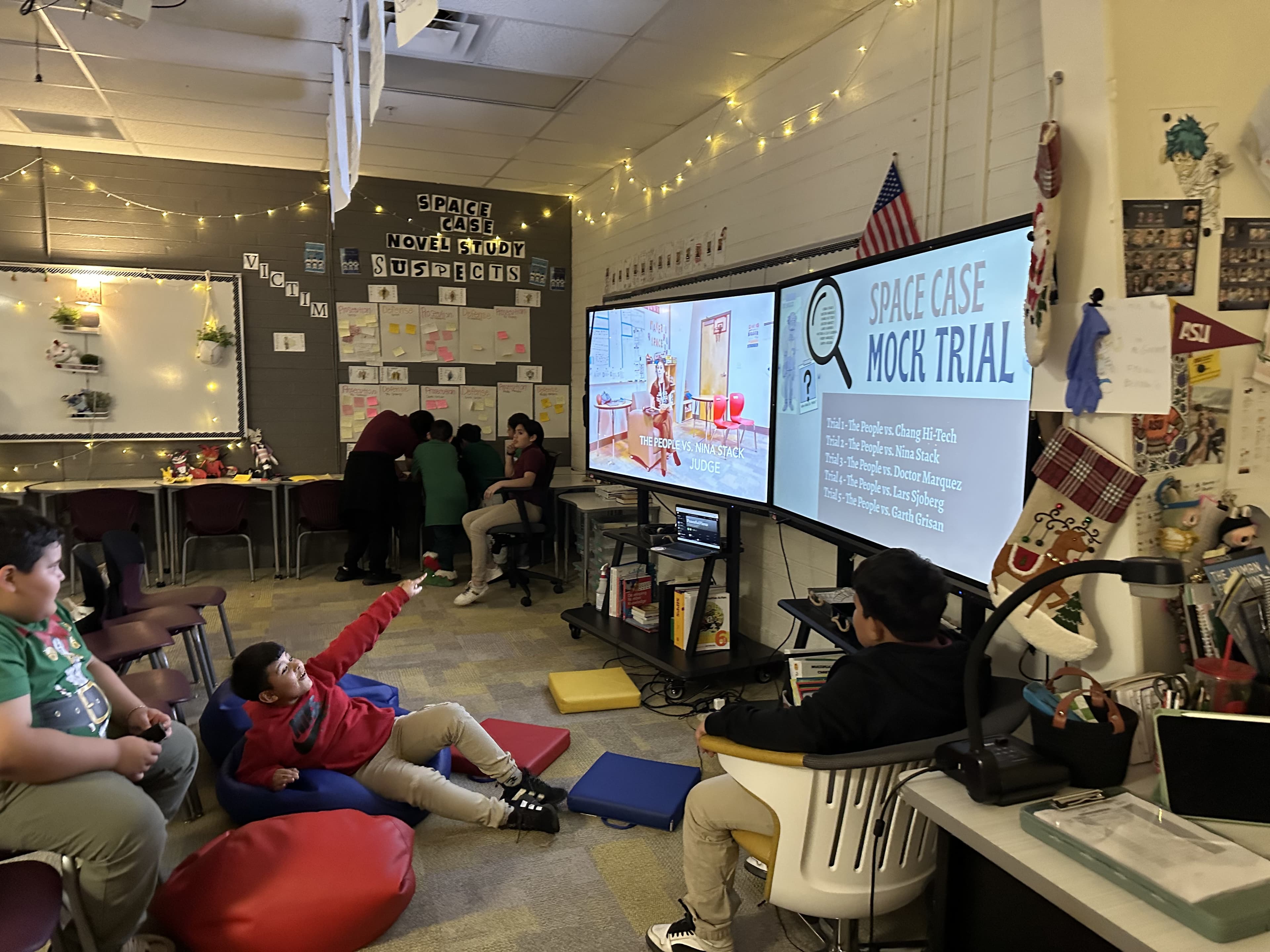
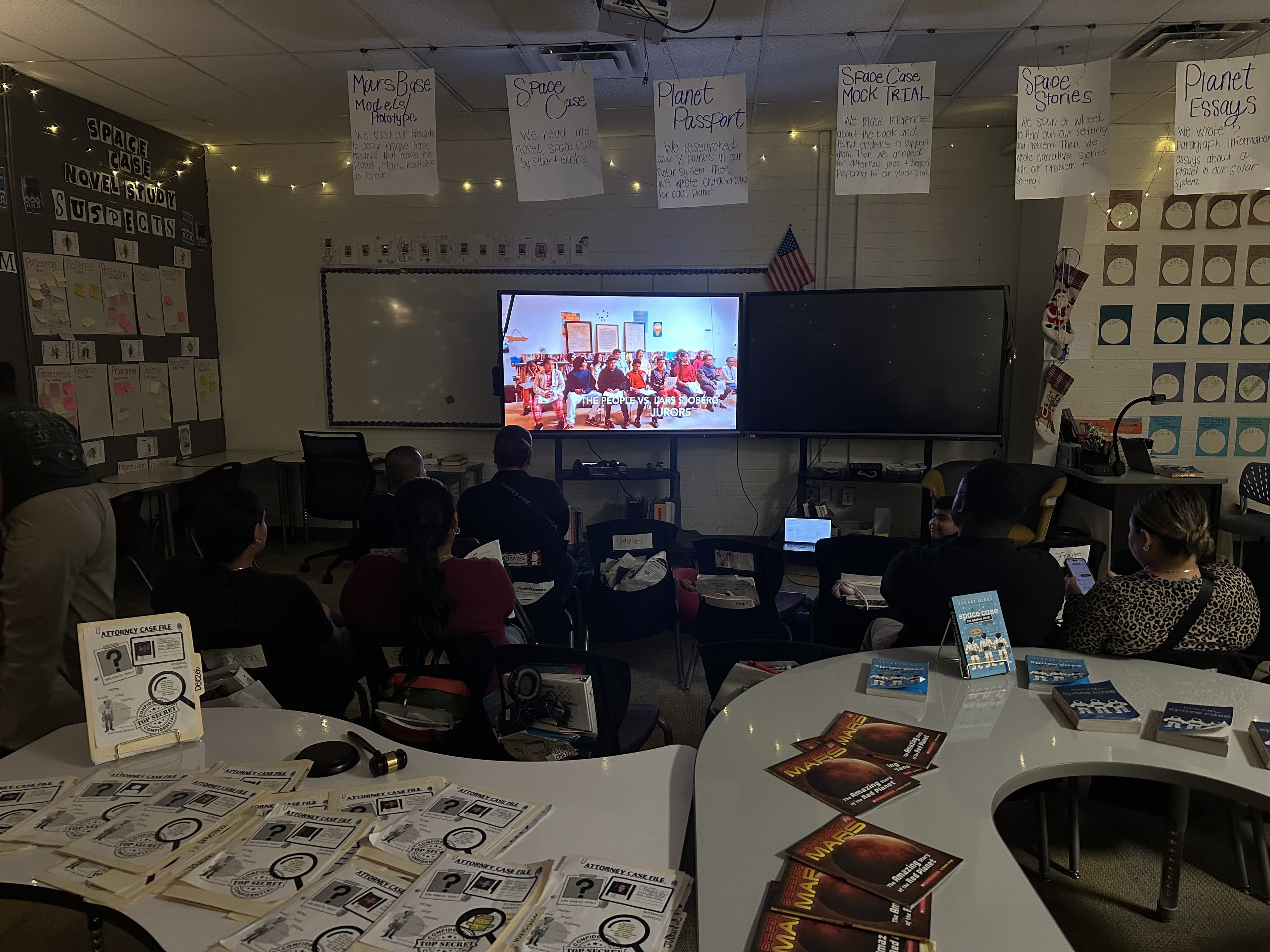
- Took on roles (lawyers, witnesses, judge, jury)
- Prepared arguments using direct quotes
- Presented and defended their claims
The Evidence-Based Practices Behind the Fun
While it felt like play, the learning was intentional:
- Explicit modeling of citing evidence
- Repeated rereading of complex passages
- Academic discussion and oral rehearsal
- Authentic assessment
Engagement wasn't a distraction — it was the vehicle.
What I Noticed as a Teacher
- Reluctant readers participated
- Students wanted to reread
- Discussions were deeper
- Evidence mattered
The classroom energy was focused, joyful, and purposeful.
Why Engagement Changes Everything
When students care about the outcome, they care about the text.
When learning feels meaningful, rigor rises naturally.
That's the power of teaching through play.
Teacher Takeaway
If you're looking for ways to:
- Increase reading stamina
- Deepen comprehension
- Make evidence meaningful
Consider turning your next novel study into an experience.
Want to Try It?
After teachers kept asking for our materials, I created the Space Case Mock Trial resource so others could bring this experience into their classrooms.
View the Space Case Mock Trial Resource | Browse All Resources
From the Classroom